
Buffer Zones & Sewer Access, Major Water Quality Wins
Frederick Reimers | Protect Our Water JH
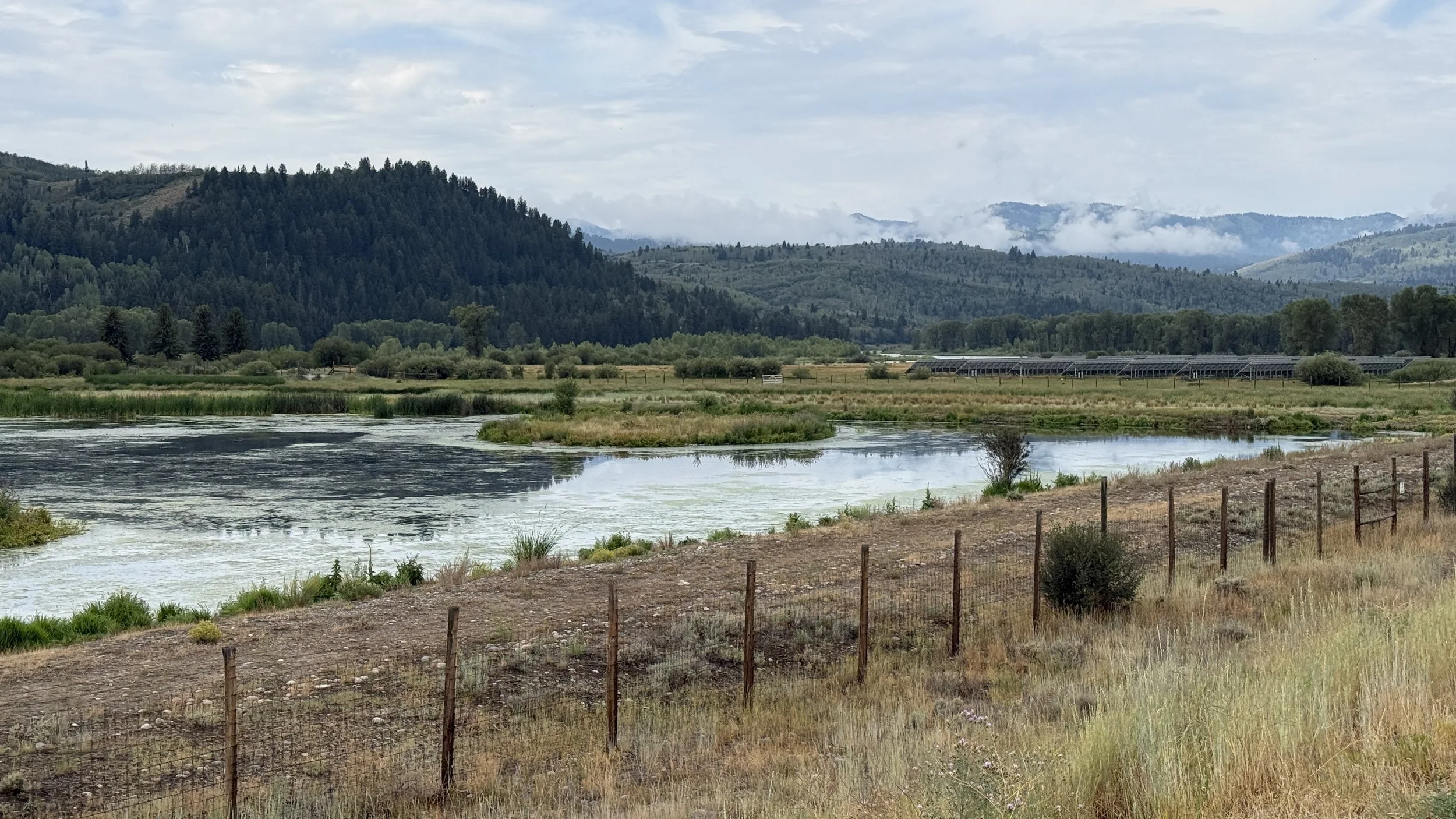
Lagoon located in the Town of Jackson’s Wastewater Treatment Plant. Photo by Julie Gonzalez/LegacyWorks Group
“These are major water quality wins,” says POWJH advocacy director Jen Evans, who testified in favor of the protections. “Buffer zones along wetlands and waterways are an important tool to preserve water quality and aquatic ecosystem health, and just as important is keeping those buffer zones clean.”
Vegetated buffer zones help keep waterways cool by providing shade, particularly important for our native trout species. They also keep trash and other pollutants out of waterways, including sand and other materials scraped from roadways into snowbanks. Fertilizer can itself be harmful to aquatic life as it increases the growth of algae, depriving aquatic animals of dissolved oxygen.
The key to the new regulations, says Evans, will be enforcement. “It’s great that we have these protections on the books, but they won’t mean much if no one complies with them.”
Then in August, in a major win in the effort to swap septic systems for sewer lines, the council voted to grant pre-approval for certain neighborhoods outside of town limits to connect to the town’s wastewater treatment plant. The move reduces barriers to replacing septic systems, which function properly in our valley, says Evans.
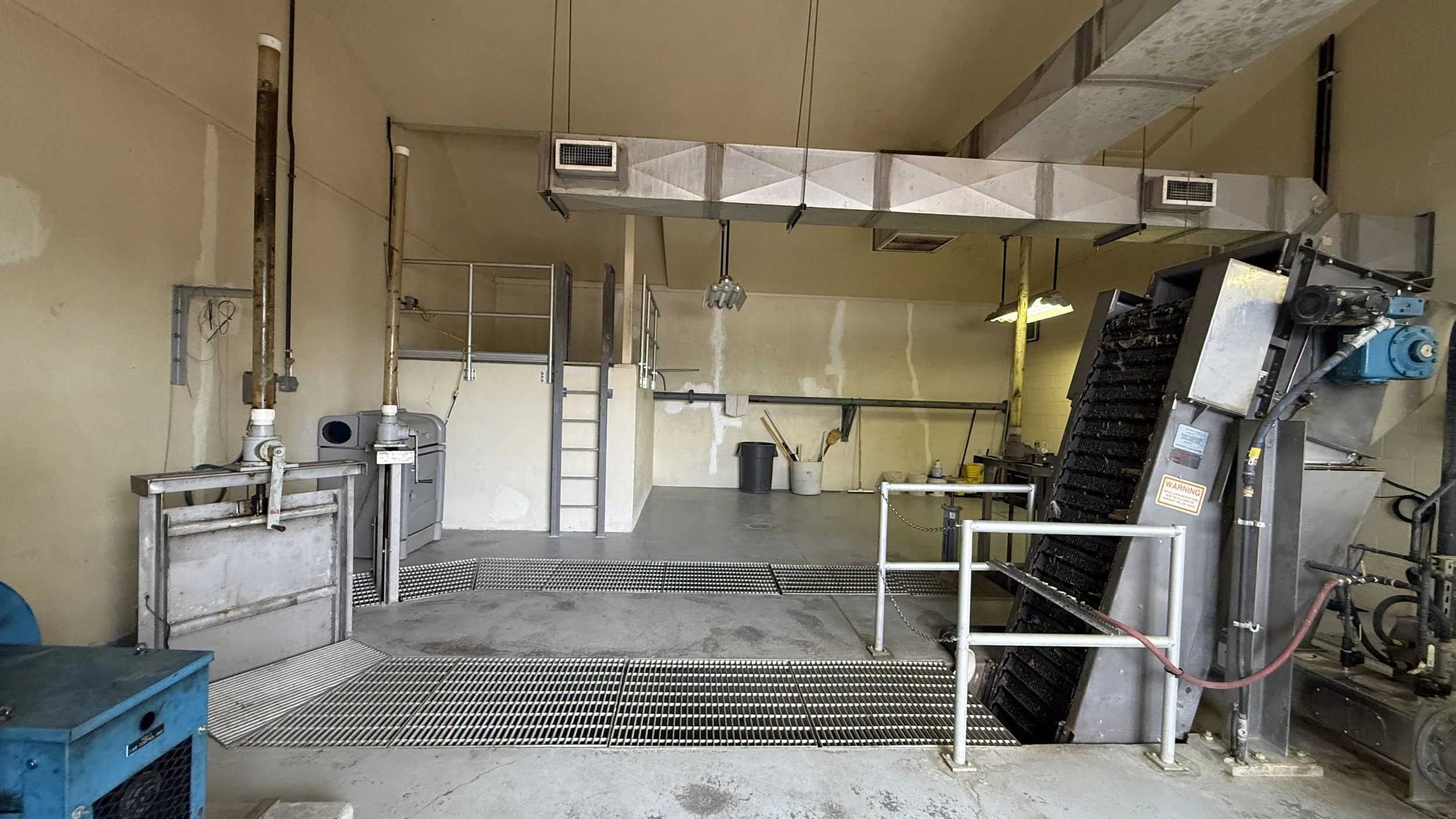
Inside the wastewater treatment plant, intake area where water is initially entered into the plant. Photo by Julie Gonzalez/LegacyWorks Group
“Septic systems face significant challenges in Jackson Hole–cold temperatures, poor soil conditions, a shallow water table and intermittent use all diminish septic performance,” says Evans, noting that many of the homes in the valley that rely on septic systems aren’t occupied year-round. “That all means human waste isn’t being sufficiently treated as it flows into our groundwater, which feeds our waterways and the aquifers we get our drinking water from.”
In addition, notes Evans, our community has no requirement for routine septic system maintenance or inspections, so it’s likely that some systems may be major polluters.
“At POWJH, our goal is to reduce the number of septics in Jackson Hole,” says Evans. “The council’s action makes that easier by reducing red tape for homeowners.”
The priority areas pre-approved by the council are identified as such in the 2024 Water Quality Management Plan. They are neighborhoods outside of the current Town of Jackson sewer service area that present the greatest risk for waterway contamination, areas like the Hi Country Subdivision adjacent to Spring Creek and Skyline Ranch adjacent to the Snake River.
Learn more:
Septic tanks aren't keeping feces out of rivers, lakes | ScienceDaily - Aug. 5, 2015
https://www.sciencedaily.com/releases/2015/08/150803154850.htm
Town moves to simplify building sewer connections n septic dependent areas | Buckrail - Aug. 5, 2026
https://buckrail.com/town-moves-to-simplify-building-sewer-connections-in-septic-dependent-areas/
